


Bitcoin continues to capture attention as the world’s leading cryptocurrency, and the good news is that buying it has never been more accessible—even if you have zero experience with digital assets. With the average top-performing platforms handling around 2,200 transactions per second and growing institutional adoption, 2026 presents unique opportunities for both newcomers and seasoned investors to enter the market.
This comprehensive guide will walk you through every step of the bitcoin purchase process, from choosing the right platform to understanding fees, securing your investment, and avoiding common pitfalls. Whether you’re looking to make your first small purchase or planning a larger investment strategy, we’ll cover the essential knowledge you need to buy bitcoin safely and efficiently.
Why Buy Bitcoin Now?
The cryptocurrency landscape in 2026 offers compelling reasons to consider bitcoin as part of your investment portfolio. Market trends show increasing institutional adoption, with major corporations and financial institutions integrating bitcoin into their services. The introduction and expansion of Bitcoin ETFs have made it easier than ever for traditional investors to gain exposure to cryptocurrency markets through familiar investment vehicles.
Volatility, often seen as a drawback, can actually benefit strategic investors who understand market cycles and have a long-term perspective. Recent regulatory clarity in major markets has reduced uncertainty, while technological improvements continue to enhance the user experience for buying, storing, and transacting with bitcoin.
The 2026 market environment also benefits from improved infrastructure, with more payment processors, banks, and financial services supporting cryptocurrency transactions. This growing ecosystem makes bitcoin more practical for everyday use while maintaining its appeal as a store of value and hedge against traditional financial market fluctuations.
Bitcoin Price Trends
Bitcoin has experienced significant price movements throughout its history, with recent highs demonstrating the cryptocurrency’s resilience and growing mainstream acceptance. Adoption statistics show increasing numbers of businesses accepting bitcoin payments, while institutional investment continues to drive demand and price stability.
The cryptocurrency’s performance often reflects broader economic conditions, technological developments, and regulatory announcements. Understanding these patterns can help inform your buying decisions and timing, though it’s important to remember that past performance doesn’t guarantee future results.
Investment vs Speculation
When considering bitcoin as an investment versus speculation, it’s crucial to understand the key differences and evaluate your personal financial goals and risk tolerance.
- Pros: Potential for significant long-term growth, portfolio diversification benefits, hedge against inflation, increasing institutional adoption
- Pros: 24/7 market availability, global accessibility, no central authority control, technological innovation exposure
- Cons: High volatility and price swings, regulatory uncertainty in some jurisdictions, technical complexity for beginners
- Cons: Environmental concerns regarding energy consumption, potential for total loss, limited real-world utility compared to traditional assets
Step-by-Step: Create Account & Verify
Setting up your first cryptocurrency exchange account requires attention to security and proper documentation. The verification process, while sometimes lengthy, protects both you and the platform from fraud and ensures compliance with financial regulations.
Most reputable platforms follow similar procedures, though specific requirements may vary by jurisdiction and platform. The emphasis on security cannot be overstated—taking time to properly secure your account from the beginning will save potential headaches later.
- Choose a reputable platform like Binance, Kraken, or MoonPay based on your location and needs
- Provide your email address and create a strong, unique password for your account
- Enable two-factor authentication (2FA) immediately using an authenticator app rather than SMS
- Complete identity verification by uploading required documents such as government-issued ID
- Verify your address with a utility bill or bank statement if required by the platform
- Wait for verification approval, which can take anywhere from minutes to several days
- Set up additional security features like withdrawal whitelisting and email notifications
KYC Requirements Explained
Know Your Customer (KYC) requirements are mandatory verification procedures that cryptocurrency exchanges must implement to comply with anti-money laundering (AML) regulations. These requirements typically involve providing government-issued identification, proof of address, and sometimes additional documentation depending on your location and the size of transactions you plan to make.
Acceptable ID types usually include passports, driver’s licenses, or national ID cards. The documents must be current, clearly readable, and match the name on your account. Address verification typically requires recent utility bills, bank statements, or government correspondence dated within the last three months.
Processing timeframes vary significantly between platforms and can range from immediate automated approval for basic verification to several business days for manual review. Higher verification levels may be required for larger transaction limits and typically involve additional documentation or even video calls with support staff.
Choose the Right Platform
Selecting the appropriate platform for buying bitcoin depends on your experience level, location, preferred payment methods, and transaction size. Each platform offers different advantages, fee structures, and user experiences, making it important to compare options before committing to one service.
Consider factors beyond just fees when making your decision—customer support quality, security features, available cryptocurrencies, and ease of use can significantly impact your overall experience. Some platforms excel at serving beginners, while others cater to advanced traders with sophisticated tools and features.
| Platform | Best For | Fees | Payment Methods | US Availability |
|---|---|---|---|---|
| Coinbase | Beginners | 1.49-3.99% | Card, Bank, PayPal | Yes |
| Binance | Advanced Users | 0.1-0.5% | Card, Bank, P2P | Limited |
| Kraken | Security-Focused | 0.16-0.26% | Bank, Wire | Yes |
| MoonPay | Quick Purchases | 4.5% | Card, Apple Pay | Yes |
| eToro | Social Trading | 1% | Card, Bank, PayPal | Yes |
| Bitcoin ATMs | Cash Purchases | 5-20% | Cash | Yes |
Centralized Exchanges vs Apps
Centralized exchanges offer robust trading features, higher liquidity, and typically lower fees for frequent traders. They provide advanced order types, professional charts, and extensive cryptocurrency selection. However, they require more technical knowledge and may overwhelm beginners with complex interfaces.
Mobile apps and simplified platforms prioritize user experience and ease of use, making them ideal for newcomers and casual investors. While they may charge higher fees and offer fewer features, their intuitive design and streamlined processes make buying bitcoin accessible to anyone with a smartphone.
Beginner-Friendly Options
For those new to cryptocurrency, certain platforms stand out for their user-friendly design and comprehensive educational resources. Coinbase leads in beginner accessibility with its clean interface and extensive learning materials.
- Intuitive interface design that guides users through each step of the buying process
- Educational resources and tutorials to help understand cryptocurrency basics
- Strong customer support with multiple contact methods and response channels
- Insurance coverage for digital assets held on the platform
- Mobile apps with full functionality for buying and managing cryptocurrencies
- Integration with traditional financial services and bank accounts
Payment Methods Comparison
Different payment methods offer varying advantages in terms of speed, cost, and convenience when buying bitcoin. Understanding these differences helps you choose the most suitable option for your specific situation and urgency level.
Regional availability of payment methods varies significantly, with some options limited to specific countries or requiring additional verification steps. Consider both immediate needs and long-term costs when selecting your preferred payment method.
| Method | Speed | Fees | Availability | Pros | Cons |
|---|---|---|---|---|---|
| Debit/Credit Card | Instant | 3-5% | Global | Fast, Convenient | High fees, Limits |
| Bank Transfer | 1-3 days | 0.5-1.5% | Most regions | Low fees, High limits | Slow, Reversible |
| P2P Trading | 15-30 min | 0-1% | Limited regions | Low fees, Privacy | Complex, Risk |
| Apple Pay | Instant | 2-4% | Select platforms | Very convenient | Limited availability |
| Wire Transfer | Same day | $15-25 | Global | High limits | Fixed fees, Complex |
P2P Trading Details
Peer-to-peer (P2P) trading platforms like Binance P2P allow direct transactions between buyers and sellers, often resulting in better rates and more payment options. The process involves browsing available offers, selecting a seller based on reputation and terms, and completing the transaction through the platform’s escrow system that protects both parties.
Binance P2P provides a secure environment where bitcoin is held in escrow until payment confirmation. Sellers typically offer various payment methods including bank transfers, digital wallets, and even cash meetups in some regions. The platform’s dispute resolution system and user rating system help maintain transaction safety and reliability.
While P2P trading requires more attention and communication than automated purchases, it often provides the best rates and most flexible payment options. New users should start with small amounts and highly-rated sellers to build confidence and understanding of the process.
Buy Bitcoin Instantly: Quick Methods
For those who need bitcoin immediately, several methods provide instant or near-instant purchases, though typically at higher costs than slower alternatives. These methods prioritize convenience and speed over cost efficiency.
Instant purchase methods are ideal for time-sensitive situations or when market conditions make immediate entry attractive. However, the premium paid for speed should be weighed against the urgency of your needs.
- Select a platform that supports instant purchases like MoonPay, Coinbase, or similar services
- Complete the quick verification process, which may include phone verification and basic ID checks
- Choose your preferred instant payment method such as debit card or Apple Pay
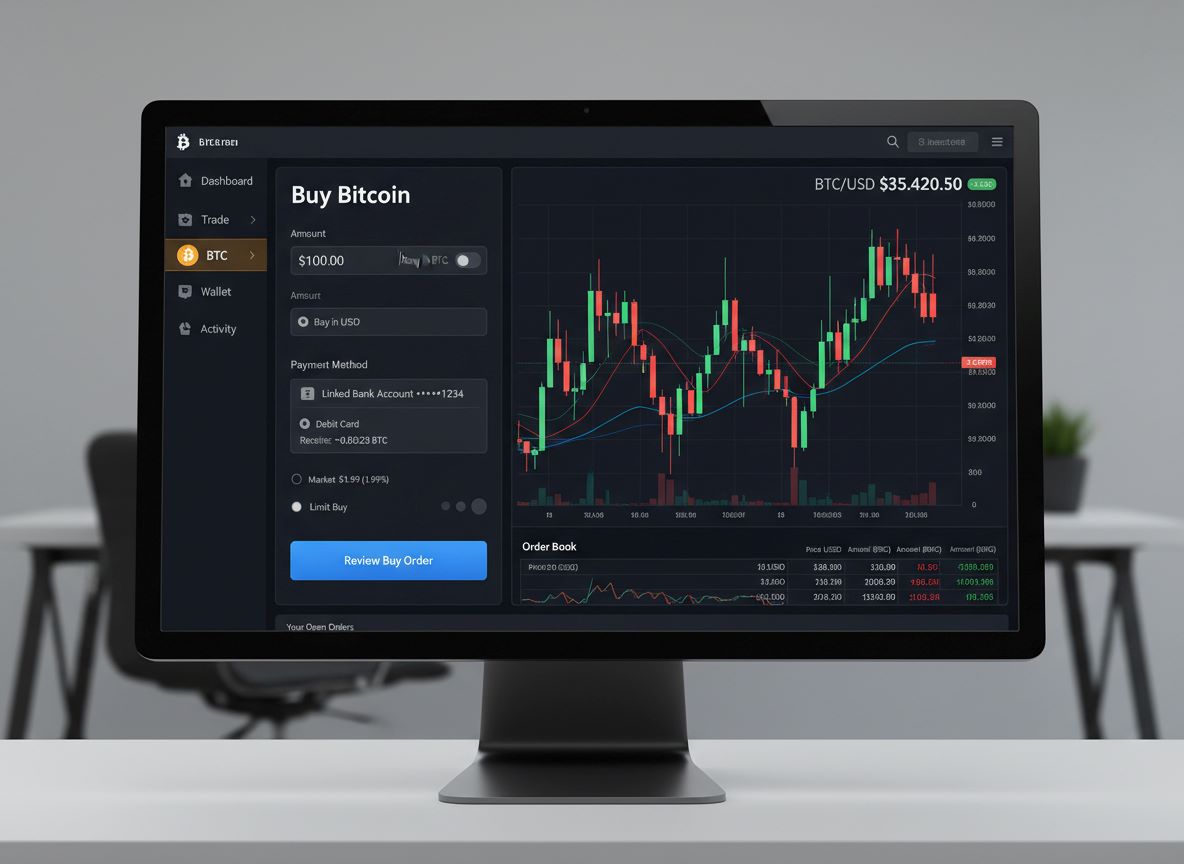
- Enter the amount of bitcoin you want to purchase or the dollar amount you want to spend
- Review the exchange rate, fees, and total cost before confirming the transaction
- Complete the payment using your chosen method and receive bitcoin in your wallet immediately
- Check your account to confirm the bitcoin has been credited and consider transferring to a personal wallet
Using Debit/Credit Cards
Debit and credit cards offer the fastest way to buy bitcoin, with most transactions completing within minutes. Card purchases typically have daily and monthly limits that vary by platform and your verification level, starting around $500-$1,000 for new users and increasing with higher verification tiers.
When using cards, be aware that some banks treat cryptocurrency purchases as cash advances, which may incur additional fees and higher interest rates. It’s advisable to contact your bank beforehand to understand their policy and potentially avoid declined transactions or unexpected charges.
Mobile Pay Options
Mobile payment integration has made bitcoin purchasing more accessible through familiar payment apps. These options combine the convenience of mobile payments with cryptocurrency access, though availability varies by platform and region.
| Option | Pros | Cons | Fees |
|---|---|---|---|
| Apple Pay | Instant, Secure, Familiar | iOS only, Limited platforms | 2-4% |
| Google Pay | Android integration, Quick | Android only, Fewer options | 2-4% |
| PayPal | Buyer protection, Wide acceptance | Higher fees, Limited withdrawal | 3-5% |
Advanced Buying: Spot & Convert
For users ready to move beyond basic purchasing, advanced platforms like Binance offer sophisticated tools including Spot trading and Convert features. These methods provide better rates and more control over your purchases, though they require greater understanding of cryptocurrency markets and trading concepts.
Binance Spot allows you to place various order types beyond simple market purchases, giving you the ability to buy at specific prices or set up recurring purchases. The Convert feature lets you seamlessly exchange between different cryptocurrencies at real-time rates, often with better pricing than traditional buy/sell operations.
These advanced methods are particularly useful for users making regular purchases or those who want to optimize their entry points. While the learning curve is steeper, the potential savings on fees and better execution prices often justify the additional complexity for intermediate users who plan to make multiple transactions.
Order Types Explained
Understanding different order types allows for more strategic bitcoin purchases and better cost management. Each order type serves specific purposes and market conditions, giving experienced users more control over their transactions.
- Market Orders: Execute immediately at current market price, guaranteeing quick purchase but potentially at less favorable rates
- Limit Orders: Set specific price points for purchase, potentially getting better rates but with no guarantee of execution
- Stop-Loss Orders: Automatically sell if price drops below certain level, useful for risk management
- Dollar-Cost Averaging: Regular scheduled purchases regardless of price, reducing impact of market volatility
- OCO Orders: One-cancels-other orders that combine limit and stop orders for advanced strategies
Fees and Cost Breakdown
Understanding the complete fee structure is crucial for making cost-effective bitcoin purchases. Fees vary significantly between platforms and payment methods, with some charges being obvious while others are hidden in exchange rates or processing costs.
Beyond advertised trading fees, consider spread costs, payment processing fees, withdrawal charges, and any premium built into exchange rates. These additional costs can significantly impact your total purchase cost, especially for smaller transactions where fees represent a larger percentage of your investment.
| Platform/Method | Avg Fee | Hidden Costs | Min Purchase |
|---|---|---|---|
| Coinbase (Card) | 3.99% | Spread ~0.5% | $2 |
| Coinbase (Bank) | 1.49% | Spread ~0.5% | $2 |
| Binance (Card) | 1.8% | Processing fees | $15 |
| Kraken (Bank) | 0.26% | Wire fees | $10 |
| MoonPay | 4.5% | Network fees | $30 |
| Bitcoin ATM | 8-15% | Exchange rate markup | $20 |
| P2P Trading | 0.1-1% | Payment method fees | $10 |
Hidden Fees to Avoid
Many platforms advertise low headline fees while incorporating additional costs that can significantly increase your total purchase price. Being aware of these hidden charges helps you make more informed decisions and accurately compare platforms.
- Spread markups: Differences between buy and sell prices that represent hidden fees, often 0.5-2% above market rates
- Payment processing fees: Additional charges for credit card processing or currency conversion not included in advertised rates
- Withdrawal fees: Charges for moving bitcoin from the exchange to your personal wallet, ranging from $5-25
- Network fees: Blockchain transaction costs that may be marked up above actual network rates
- Inactivity fees: Some platforms charge monthly fees for dormant accounts after extended periods
- Currency conversion: Foreign exchange markups for international users or non-native currency payments
- Deposit fees: Charges for funding your account, particularly with certain payment methods or smaller amounts
Cost-Saving Tips
Several strategies can help minimize your bitcoin purchase costs, particularly for users planning regular or larger transactions. Understanding fee structures and timing your purchases can result in significant savings over time.
Consider using stablecoin swaps when available, as converting USD Coin (USDC) or Tether (USDT) to bitcoin often incurs lower fees than direct fiat purchases. Many exchanges offer volume-based discount programs that reduce fees as your trading activity increases, making them attractive for regular buyers who can plan their purchase schedule accordingly.
Secure Your Bitcoin: Wallets & Storage
Securing your bitcoin properly is just as important as buying it, and the choice between custodial and non-custodial storage significantly impacts your control and security. Custodial wallets, provided by exchanges, offer convenience and familiar interfaces but mean the platform controls your private keys and, ultimately, your bitcoin.
Non-custodial wallets give you complete control over your bitcoin by providing exclusive access to your private keys. While this approach requires more responsibility and technical understanding, it ensures that you truly own your bitcoin without relying on third-party custodians. Hardware wallets like Ledger devices provide the highest security level for long-term storage.
The decision between convenience and control depends on your technical comfort level, the amount of bitcoin you’re holding, and your long-term intentions. Many users adopt a hybrid approach, keeping small amounts in exchange wallets for convenience while storing larger holdings in hardware wallets for maximum security.
Best Wallets for Beginners
Choosing your first bitcoin wallet requires balancing security, ease of use, and features. The following comparison highlights wallets suitable for newcomers while providing room for growth as your understanding develops.
| Wallet | Type | Security | Cost | Mobile Support |
|---|---|---|---|---|
| Coinbase Wallet | Software | Medium | Free | Yes |
| Trust Wallet | Software | Medium | Free | Yes |
| Ledger Nano S Plus | Hardware | High | $79 | Via App |
| Exodus | Software | Medium | Free | Yes |
| Electrum | Software | High | Free | Limited |
Safety Tips & Common Mistakes
Bitcoin security requires vigilance and understanding of common threats that target cryptocurrency users. Implementing proper security measures from the beginning prevents most issues and protects your investment from both technical failures and malicious attacks.
The 2026 regulatory environment has improved consumer protections, but personal security remains your primary defense against theft and loss. Staying informed about emerging threats and maintaining good security hygiene significantly reduces your risk exposure.
- Enable two-factor authentication on all accounts using authenticator apps rather than SMS, which can be intercepted
- Verify all website URLs carefully before entering credentials, as phishing sites often use similar-looking domains
- Never share private keys or seed phrases with anyone, as these provide complete access to your bitcoin
- Use cold storage for large amounts by transferring bitcoin to hardware wallets disconnected from the internet
- Keep software updated on all devices used for cryptocurrency activities to prevent security vulnerabilities
- Be skeptical of unsolicited offers promising guaranteed returns or urgent investment opportunities
- Test small amounts first when using new platforms or wallets to ensure everything works correctly
What to Do After Buying
Your bitcoin journey begins after your first purchase, and taking the right steps immediately helps secure your investment and set up good long-term practices. Proper post-purchase procedures protect your holdings and prepare you for future transactions.
- Transfer bitcoin from the exchange to your personal wallet for better security and control
- Securely backup your wallet’s seed phrase in multiple physical locations away from your computer
- Set up price alerts to stay informed about market movements without constantly checking prices
- Consider dollar-cost averaging by setting up recurring purchases to reduce timing risk
- Learn about tax implications in your jurisdiction and maintain transaction records
- Continue education about bitcoin technology, security practices, and market dynamics
Alternatives to Direct Buying
Several alternative methods provide bitcoin exposure without directly purchasing and holding the cryptocurrency. These options appeal to investors who want price exposure while avoiding the technical complexities of wallet management and security.
Bitcoin ETFs have gained significant popularity in 2026, offering traditional investors familiar investment vehicles with professional management and regulatory oversight. These alternatives often come with different fee structures, tax implications, and levels of actual bitcoin ownership.
| Method | Description | Fees | Ownership |
|---|---|---|---|
| Bitcoin ETFs | Exchange-traded funds tracking bitcoin price | 0.25-1.5% annually | No direct ownership |
| Bitcoin Futures | Contracts for future bitcoin delivery | Trading commissions | Temporary exposure |
| Bitcoin Stocks | Companies with significant bitcoin holdings | Stock trading fees | Indirect exposure |
| Bitcoin Mining Stocks | Shares in bitcoin mining companies | Stock trading fees | Industry exposure |
| Grayscale GBTC | Bitcoin investment trust shares | 2% annually | Trust shares |
Is Buying Bitcoin Right for You?
Deciding whether bitcoin fits your investment strategy requires honest assessment of your financial situation, risk tolerance, and investment goals. Bitcoin’s volatility can result in significant gains or losses over short periods, making it unsuitable for money you need in the near term or cannot afford to lose entirely.
Consider your investment timeline, as bitcoin has historically performed better over longer holding periods despite short-term volatility. Your technical comfort level also matters—while buying bitcoin has become easier, managing it securely still requires some technical understanding and ongoing attention to security practices.
The 2026 cryptocurrency landscape offers more regulatory clarity and institutional support than ever before, but bitcoin remains a speculative asset that should represent only a portion of a diversified investment portfolio. Most financial advisors recommend limiting cryptocurrency exposure to 5-10% of your total investment portfolio, though individual circumstances vary significantly. Taking a personal risk assessment quiz and consulting with financial professionals can help determine if and how much bitcoin makes sense for your specific situation.