







Cryptocurrency theft reached staggering heights in 2024, with hackers stealing over $3.8 billion from exchanges, DeFi protocols, and individual wallets. The stark reality is that poor storage practices leave countless crypto holders vulnerable to devastating losses that could be entirely prevented with proper security measures.
The foundation of crypto security lies in understanding two fundamental storage types: hot wallets (connected to the internet) and cold storage (offline solutions). While hot wallets offer convenience for daily transactions, cold storage provides the fortress-like protection needed for long-term holdings. The key principle is self-custody—controlling your private keys rather than trusting third parties—combined with multi-layered security approaches that create multiple barriers against potential threats.
Understanding Hot vs Cold Wallets
Hot wallets maintain constant internet connectivity, enabling seamless transactions and real-time access to your cryptocurrency. These include exchange wallets, mobile apps, and desktop software that store private keys on internet-connected devices. While convenient, this connectivity creates attack vectors that malicious actors can exploit through various sophisticated methods.
Cold storage solutions operate entirely offline, physically isolating your private keys from internet-based threats. Hardware wallets, paper wallets, and air-gapped computers fall into this category, offering maximum security by eliminating remote access possibilities. The trade-off involves reduced convenience, as accessing funds requires additional steps and physical interaction with the storage device.
Exchange hacks represent the most publicized threat, with major platforms losing billions due to security breaches, insider threats, and technical vulnerabilities. Beyond exchanges, hot wallets face risks from malware, phishing attacks, SIM swapping, and compromised devices that can drain funds within minutes of successful infiltration.
Risks of Hot Wallets
Hot wallet vulnerabilities extend far beyond simple hacking attempts, encompassing a complex web of digital threats that target both the wallet software and the devices hosting them.
- Malware infections – Keyloggers and screen capture tools can steal passwords and seed phrases during wallet access
- Phishing attacks – Fake websites and emails trick users into entering credentials on malicious platforms
- Exchange vulnerabilities – Platform security breaches can compromise millions of user accounts simultaneously
- Device compromise – Infected smartphones or computers provide attackers with direct access to wallet applications
- Network interception – Public WiFi and unsecured connections allow data capture during wallet transactions
Benefits of Cold Storage
Cold storage eliminates the primary attack vector by maintaining complete network isolation, making remote theft virtually impossible without physical device access. This offline approach protects against the vast majority of cryptocurrency theft methods, which rely on internet connectivity to execute unauthorized transactions.
Beyond security benefits, cold storage provides peace of mind for long-term holders who don’t require frequent access to their funds. The physical nature of cold storage also creates natural barriers to impulsive trading decisions, potentially protecting portfolios from emotional market reactions that often lead to poor investment outcomes.
Hardware Wallets: The Gold Standard
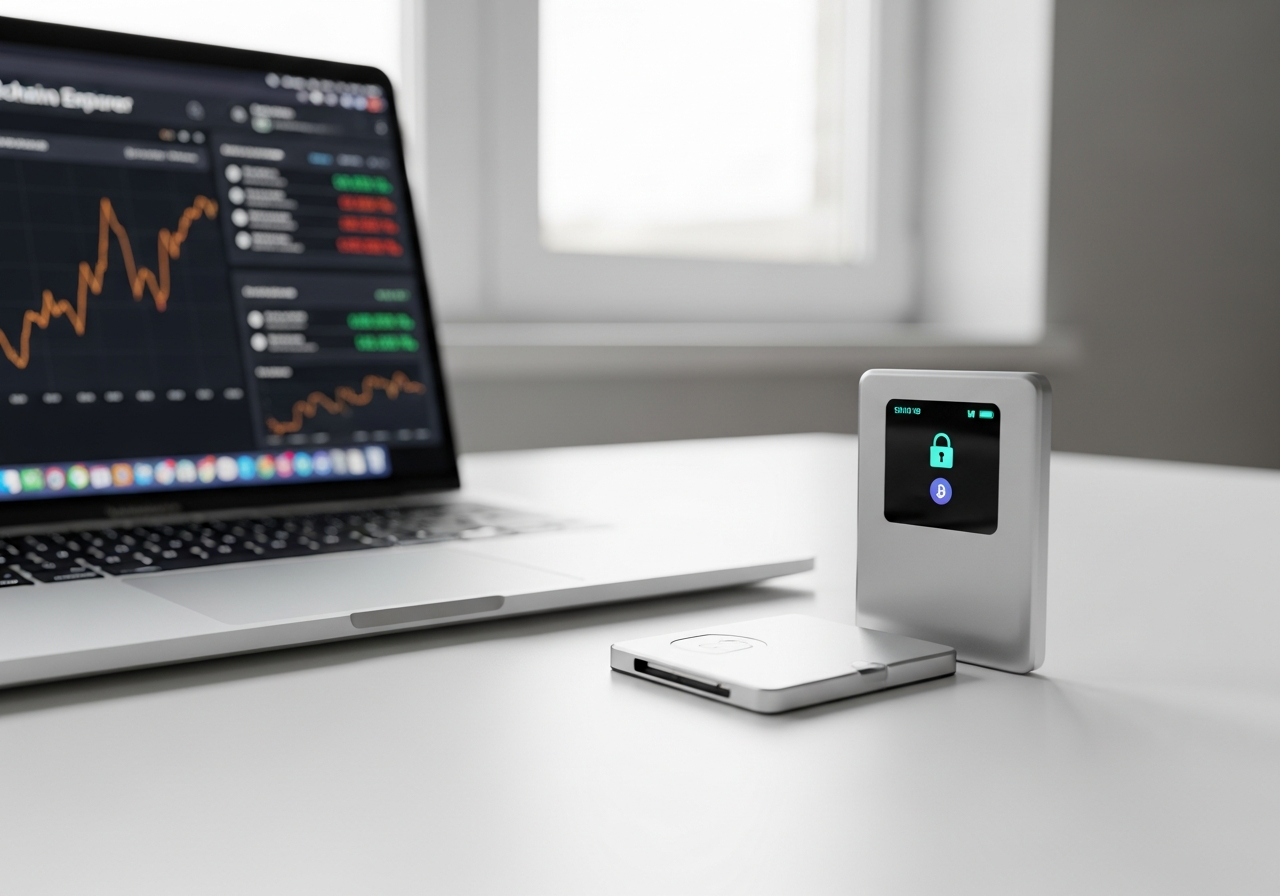
Hardware wallets represent the optimal balance between security and usability, storing private keys on dedicated devices designed specifically for cryptocurrency protection. These pocket-sized computers generate and store keys in secure elements that resist physical and software-based attacks while enabling transaction signing through USB or Bluetooth connections.
Modern hardware wallets incorporate multiple security layers including PIN protection, secure boot processes, and tamper-resistant hardware that automatically wipes sensitive data when physical intrusion is detected. Leading manufacturers regularly update firmware to address emerging threats and add support for new cryptocurrencies and blockchain protocols.
| Wallet Model | Key Features | Price Range | Security Rating |
|---|---|---|---|
| Ledger Nano X | Bluetooth, 100+ coins, mobile app | $149-179 | ★★★★★ |
| Trezor Model T | Touchscreen, open source, 1600+ coins | $219-269 | ★★★★★ |
| KeepKey | Large screen, ShapeShift integration | $49-79 | ★★★★☆ |
| Coldcard Mk4 | Bitcoin-only, air-gap capable, advanced features | $147-167 | ★★★★★ |
| SafePal S1 | Camera scanning, 20+ blockchains, budget-friendly | $49-69 | ★★★★☆ |
| Bitbox02 | Swiss security, minimalist design, backup center | $109-149 | ★★★★★ |
Setting Up a Hardware Wallet
Proper hardware wallet initialization requires careful attention to security protocols that establish the foundation for long-term cryptocurrency protection. The setup process involves several critical steps that must be completed in a secure environment free from potential surveillance or interference.
Creating strong authentication barriers during setup prevents unauthorized access even if the physical device falls into the wrong hands. Modern hardware wallets include multiple security features that activate during the initialization process, creating layered protection that addresses both digital and physical threat vectors.
- Initialize device in private environment – Unbox and power on the hardware wallet in a secure location away from cameras and potential observers
- Generate and record seed phrase – Write down the 12-24 word recovery phrase on paper, never storing it digitally or photographing it
- Set strong PIN code – Create a unique PIN that differs from other accounts and contains no personal information patterns
- Verify seed phrase backup – Confirm the written backup by entering selected words when prompted by the device
- Install official companion software – Download wallet management software only from manufacturer websites or verified app stores
- Test small transaction – Send a minimal amount to verify proper setup before transferring significant funds
Protecting Against Physical Theft
Physical security measures become critical when hardware wallets are lost, stolen, or potentially compromised through unauthorized access. PIN protection serves as the primary defense, with most devices implementing automatic data destruction after multiple incorrect attempts, typically ranging from 10-16 failed entries depending on the manufacturer.
Time sensitivity plays a crucial role in theft response protocols, as sophisticated attackers may attempt hardware exploitation techniques that bypass standard PIN protection given sufficient time and resources. Immediate action upon discovering device loss can prevent unauthorized access to cryptocurrency holdings through rapid fund transfers to new addresses controlled by backup seed phrases.
Software and Mobile Wallets
Software and mobile wallets bridge the gap between security and convenience, offering self-custody solutions that maintain private key control while enabling quick access for daily transactions. These applications install directly on smartphones or computers, providing user-friendly interfaces for managing cryptocurrency portfolios without requiring additional hardware investments.
Mobile wallets excel in scenarios requiring frequent transactions, such as merchant payments, peer-to-peer transfers, or active trading strategies. However, their security profile inherently carries higher risks due to internet connectivity, device vulnerabilities, and the potential for user error in security practices.
- Instant transaction capability – Enable immediate cryptocurrency payments and transfers without additional device requirements
- Multi-currency support – Most mobile wallets support dozens of cryptocurrencies and tokens within a single application
- QR code integration – Streamlined payment process through camera scanning eliminates manual address entry errors
- Backup and recovery features – Built-in seed phrase generation and backup prompts help users maintain access to funds
- DeFi protocol integration – Advanced mobile wallets connect directly with decentralized finance applications for yield farming and trading
- Biometric authentication – Fingerprint and facial recognition add security layers while maintaining convenient access
Best Practices for Mobile Wallets
Mobile wallet security begins with sourcing applications exclusively from official channels such as Google Play Store, Apple App Store, or directly from developer websites with verified digital signatures. Avoiding third-party app stores and modified versions eliminates risks from malicious software that may compromise private keys or steal funds through fake interfaces.
Screenshot prevention becomes particularly important for mobile wallet users, as images containing seed phrases, private keys, or QR codes often sync automatically to cloud storage services where they become accessible to attackers who compromise email or cloud accounts. Additionally, maintaining updated operating systems and enabling automatic device locks provide additional security layers that protect against both digital and physical threats.
Securing Seed Phrases and Private Keys
Seed phrase protection represents the most critical aspect of cryptocurrency security, as these 12-24 word combinations provide complete access to wallet funds regardless of device availability. The mnemonic words generate private keys through mathematical algorithms, meaning anyone with seed phrase access can recreate wallets on any compatible device and transfer funds without additional authorization.
Digital storage of seed phrases creates single points of failure that contradict the fundamental security principles of cryptocurrency self-custody. Cloud storage services, password managers, email accounts, and photo galleries all present attack surfaces that malicious actors regularly target through data breaches, account compromises, and social engineering attacks.
Physical backup methods provide the highest security for seed phrase storage, particularly when combined with multiple redundant copies stored in geographically separated locations. Fireproof safes, bank safety deposit boxes, and specialized metal backup plates protect against natural disasters, theft, and deterioration that could render paper backups unreadable over time.
Advanced users often implement threshold schemes that split seed phrases across multiple locations, requiring combinations of partial information to reconstruct the complete phrase. These approaches balance security against accessibility, ensuring that no single point of failure can result in permanent fund loss while maintaining practical recovery options for legitimate users.
Backup Methods Comparison
| Method | Pros | Cons |
|---|---|---|
| Paper Backup | Simple, inexpensive, no digital footprint | Fire/water damage, ink fading, easily destroyed |
| Metal Plates | Fire resistant, durable, corrosion proof | Higher cost, requires tools, time intensive |
| Engraved Steel | Extreme durability, professional appearance | Expensive, requires specialized equipment |
| Cryptosteel Capsule | Modular system, tamper evident, compact | Premium pricing, learning curve for assembly |
| Stone/Ceramic | Natural materials, unique approach, durable | Brittle, difficult inscription, limited options |
Common Seed Phrase Mistakes
Seed phrase security failures often stem from convenience-driven decisions that prioritize quick access over long-term protection. Understanding these common pitfalls helps crypto holders avoid practices that have resulted in millions of dollars in preventable losses.
- Digital storage in cloud services – Saving seed phrases in Google Drive, iCloud, or Dropbox exposes them to data breaches and account compromises
- Taking smartphone photos – Images automatically sync to cloud storage and remain in device memory even after deletion
- Email or messaging transmission – Sending seed phrases through any digital communication channel creates permanent attack vectors
- Password manager storage – Centralizing seed phrases with other credentials creates single points of failure for entire crypto portfolios
- Social media or forum sharing – Accidentally including seed words in screenshots or posts provides immediate access to attackers
- Storing with insufficient backups – Relying on single copies risks permanent loss through damage, theft, or misplacement
- Using predictable hiding places – Common locations like desk drawers or computer files are easily discovered by thieves or family members
Exchange Wallets and Minimizing Risks
Exchange wallets serve specific purposes in cryptocurrency management but should never function as long-term storage solutions due to inherent third-party risks and platform vulnerabilities. Statistics from 2024 show that exchange-related losses accounted for 61% of all cryptocurrency theft, totaling over $2.3 billion stolen from major platforms through hacks, insider fraud, and technical exploits.
Risk mitigation strategies focus on minimizing exposure duration and maintaining small balances necessary only for active trading or immediate transfer needs. Professional traders often limit exchange holdings to 5-10% of total portfolio value, rapidly moving funds to cold storage after completing transactions or closing trading positions.
| Risk Factor | Mitigation | Example |
|---|---|---|
| Platform Security Breach | Use established exchanges, enable all security features | Coinbase Pro, Kraken with 2FA enabled |
| Account Compromise | Strong unique passwords, hardware 2FA keys | YubiKey authentication, 20+ character passwords |
| Withdrawal Delays | Verify withdrawal policies, maintain multiple exchange accounts | 24-hour withdrawal delays, KYC requirements |
| Regulatory Actions | Monitor compliance status, diversify across jurisdictions | Exchange shutdowns, asset freezing orders |
| Technical Outages | Plan alternative trading venues, limit active positions | Server downtime during high volatility periods |
| Phishing Attacks | Bookmark official URLs, verify SSL certificates | Fake exchange websites, suspicious email links |
When to Use Exchange Wallets
Exchange wallets excel in specific scenarios that require immediate liquidity access or frequent trading activities where transaction speed outweighs storage security concerns. Active day traders, arbitrage specialists, and users who regularly convert between different cryptocurrencies benefit from keeping working capital on exchanges while maintaining long-term holdings in cold storage.
Dollar-cost averaging strategies and scheduled purchases also justify temporary exchange wallet use, as automated buying systems require platform access to execute transactions. However, these approaches should include automatic withdrawal scheduling to move purchased cryptocurrency to self-custody solutions within days rather than allowing indefinite exchange storage of accumulated assets.
Advanced Security: Multisig and More
Multisignature wallets revolutionize cryptocurrency security by requiring multiple private key signatures to authorize transactions, eliminating single points of failure that plague traditional wallet structures. These advanced systems distribute signing authority across multiple parties or devices, ensuring that no individual compromise can result in unauthorized fund movement while maintaining practical access for legitimate transactions.
Enterprise-grade security combines multisig technology with additional verification layers such as time delays, spending limits, and geographic restrictions that create comprehensive protection frameworks for high-value cryptocurrency holdings. Financial institutions and large-scale investors increasingly adopt these sophisticated approaches to meet regulatory compliance requirements while protecting against both external attacks and internal fraud.
Multisig Wallet Setup
Creating multisignature wallets involves coordinating multiple participants and devices to establish shared custody arrangements that balance security against practical access requirements. The process requires careful planning to ensure all parties understand their responsibilities and maintain access to their individual signing keys.
- Determine signature requirements – Choose M-of-N scheme (e.g., 2-of-3, 3-of-5) based on security needs and participant availability
- Generate individual key pairs – Each participant creates private keys using separate hardware wallets or secure devices
- Exchange public keys – Participants share public key information to construct the multisig address while keeping private keys secure
- Test transaction workflow – Practice the signing process with small amounts to verify all participants can successfully authorize transactions
- Establish recovery procedures – Document backup plans for scenarios where participants lose access or become unavailable
Paper Wallets: Pros and Cons
| Pros | Cons |
|---|---|
| Complete offline generation and storage, immune to digital attacks | Vulnerable to physical damage, human error in generation process |
| No hardware costs, accessible to all users regardless of budget | Requires technical knowledge for secure generation and usage |
Essential Security Practices
Comprehensive cryptocurrency security extends beyond wallet selection to encompass digital hygiene practices that protect against sophisticated attack vectors targeting user behavior and device vulnerabilities. Modern threats increasingly focus on social engineering, phishing, and device compromise rather than direct cryptographic attacks, making user education and protective habits critical for long-term asset protection.
Layered security approaches acknowledge that no single protective measure provides complete protection against the evolving threat landscape. Successful crypto security strategies implement multiple independent barriers that force attackers to overcome numerous obstacles, significantly increasing the difficulty and cost of successful fund theft while providing multiple detection opportunities.
- Enable two-factor authentication – Use hardware keys or authenticator apps rather than SMS for all cryptocurrency-related accounts
- Create unique strong passwords – Generate 20+ character passwords with mixed case, numbers, and symbols for each crypto service
- Verify all URLs manually – Type exchange and wallet websites directly rather than clicking links in emails or messages
- Avoid public WiFi for crypto activities – Use cellular data or trusted home networks when accessing wallets or exchanges
- Keep software updated – Maintain current versions of wallet applications, operating systems, and security software
- Implement transaction verification – Double-check recipient addresses and amounts before confirming any cryptocurrency transfers
- Monitor account activity regularly – Review transaction histories and account balances frequently to detect unauthorized access quickly
Password and 2FA Guide
Password security for cryptocurrency accounts demands higher standards than typical online services due to the irreversible nature of cryptocurrency transactions and the inability to recover funds through traditional customer service channels. Password managers generate and store complex credentials while eliminating reuse patterns that create cascading security failures when individual services experience data breaches.
Hardware-based two-factor authentication provides superior protection compared to SMS or email-based methods, which remain vulnerable to SIM swapping and email account compromise. Authenticator applications such as Google Authenticator or Authy offer improved security over SMS while maintaining practical usability, though hardware keys like YubiKey represent the gold standard for protecting high-value cryptocurrency accounts.
Multi-Wallet Strategy for Optimal Security
Professional cryptocurrency management employs portfolio segregation strategies that distribute holdings across multiple wallet types based on intended usage patterns and risk tolerance levels. This diversified approach mirrors traditional investment principles while addressing the unique security challenges and operational requirements of different cryptocurrency activities.
Allocation strategies typically prioritize cold storage for long-term holdings while maintaining smaller hot wallet balances for immediate liquidity needs and trading activities. Advanced users often implement percentage-based allocation rules that automatically trigger rebalancing actions when hot wallet balances exceed predetermined thresholds, ensuring consistent risk management regardless of portfolio growth or market conditions.
| Purpose | Wallet Type | Allocation % | Example |
|---|---|---|---|
| Long-term Holdings | Hardware Wallet | 70-80% | Ledger Nano X in safe |
| Active Trading | Exchange Wallet | 5-10% | Coinbase Pro account |
| Daily Transactions | Mobile Wallet | 2-5% | Trust Wallet app |
| DeFi Protocols | Web3 Wallet | 10-15% | MetaMask browser extension |
| Emergency Access | Paper Wallet | 3-5% | Offline generated keys |
Tailoring to Your Needs
Beginner cryptocurrency holders should prioritize simplicity and proven security solutions, typically starting with hardware wallets for long-term storage and single reputable exchange accounts for purchases. This approach minimizes complexity while establishing fundamental security habits that can evolve with growing experience and portfolio size.
Advanced crypto holders with substantial portfolios benefit from implementing sophisticated strategies including multisignature wallets, geographic distribution of backups, and formal succession planning for estate purposes. These users often employ professional custodial services for portions of their holdings while maintaining self-custody for core positions, balancing institutional-grade security against personal control and privacy considerations.